

Pinene Terpenes: The Rarest Dominant Terp in Cannabis
TLDR:
Pinene is the terpene behind the crisp scent of pine, rosemary, and fresh herbs. Pinene-rich products may feel clearer, lighter, and more suited for daytime use, though research on these effects remains limited. It can add a fresh, herbal quality without the heavier feel associated with more grounding terpene profiles.
Pinene terpenes are one of the most familiar aromas in nature. It is the scent of pine trees after rain, fresh rosemary on a cutting board, or the sharp green note released when you peel an orange. Most people have experienced it long before they ever encounter it in cannabis.
That is what makes pinene unusual. It is the most abundant terpene in the natural world, yet it is one of the rarest to appear as the dominant terpene in a cannabis strain. In Pennsylvania dispensaries, pinene shows up often, but usually in a supporting role rather than leading the profile.
For patients exploring pinene terpenes and broader terpene profiles, you can explore the Cannabis 101 guide or dive deeper into how aroma shapes experience in the terpene chart. By the end of this guide, you will understand what pinene is, how alpha and beta pinene differ, what patients report about its effects, and how to identify strains where it plays a meaningful role.
What Are Pinene Terpenes?
Pinene terpenes are naturally occurring compounds known as monoterpenes. It is responsible for the sharp, clean aroma associated with pine trees and many herbs. In cannabis, it develops in the plant’s trichomes alongside cannabinoids like THC and CBD.
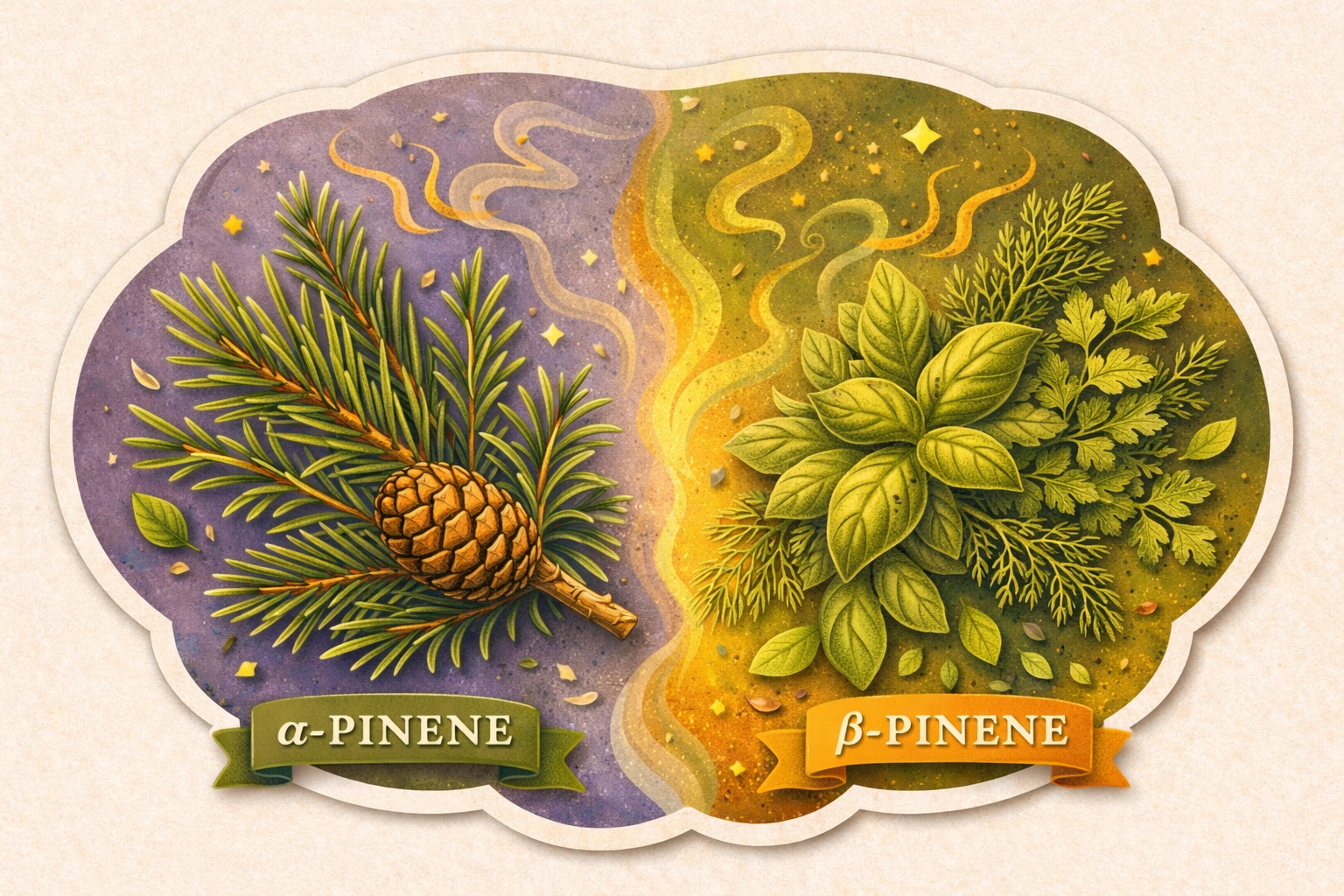
It exists in two forms, alpha-pinene and beta-pinene, both of which can appear in cannabis terpene profiles.
Outside of cannabis, pinene terpenes are found in:
- Pine needles and conifer trees
- Rosemary, basil, and parsley
- Dill and orange peel
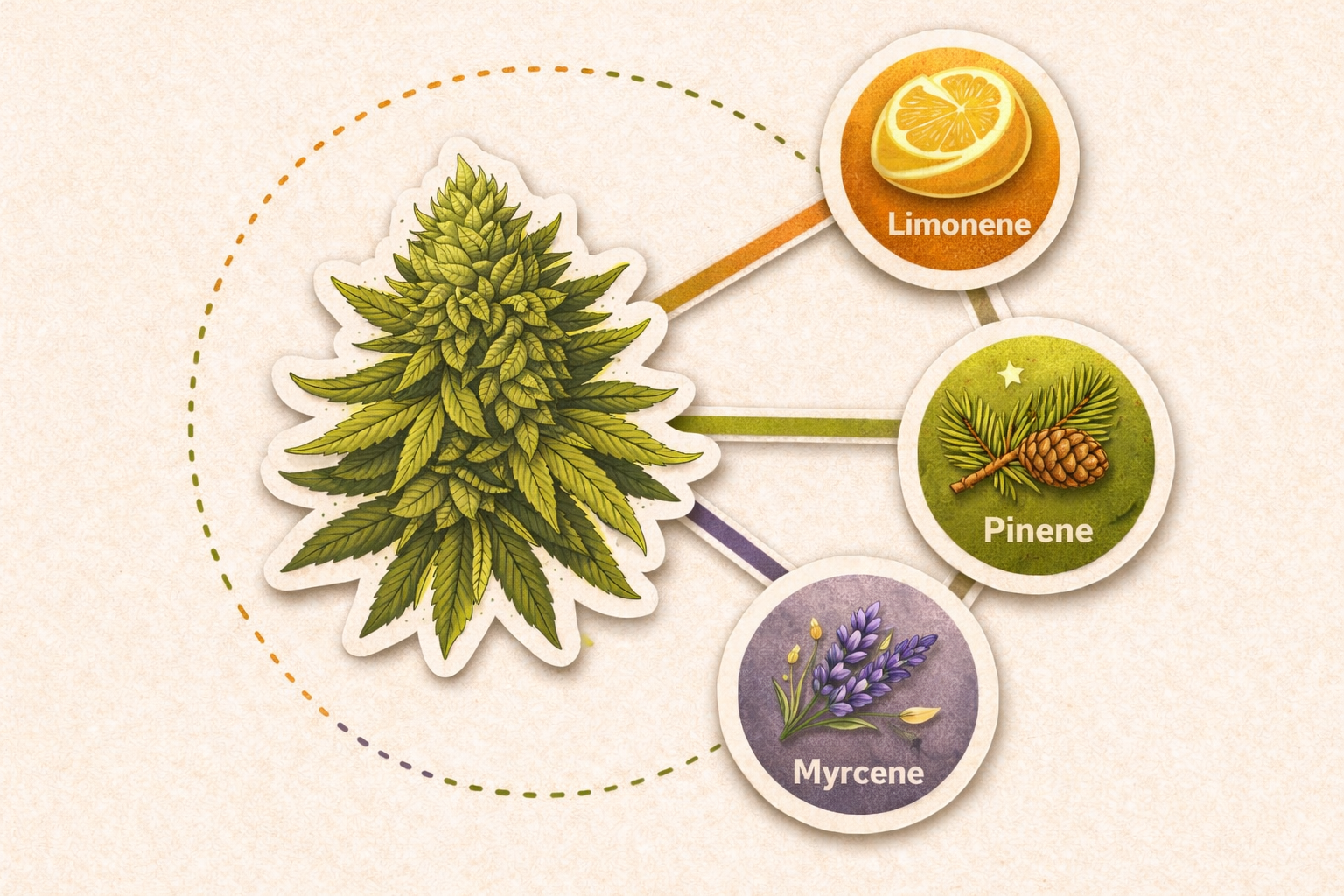
If myrcene brings an earthy depth and grounding quality, and limonene adds citrus brightness, pinene introduces a crisp, green freshness that sharpens a profile’s character. You can explore these differences further in the myrcene terpene guide and the limonene terpene guide.
If you want to see how these terpene profiles show up in real products, you can also browse the Terrapin strain library to compare terpene data across strains.
Alpha Pinene vs Beta Pinene: What’s the Difference?
Both alpha-pinene and beta-pinene contribute to a strain’s aroma, but they differ in subtle ways that patients can recognize.
Alpha-pinene (α-pinene)
- More common in cannabis
- Aroma: sharp pine, rosemary, forest-like freshness
- Water-soluble
- Most research focuses on this form
Beta-pinene (β-pinene)
- Less common as a dominant terpene
- Aroma: more herbal and slightly spicy
- Reminiscent of basil, parsley, or dill
- Not water-soluble
In practice, many strains contain both. When both appear in the top three terpenes, the result is a blend of clean pine and herbal complexity.
A simple way to think about it:
- Alpha-pinene alone: bright, clean pine
- Alpha + beta together: pine with an herbal edge
What Do Pinene Terpenes Smell and Taste Like?
Pinene carries a clean, sharp aroma that is easy to recognize once you know what to look for.
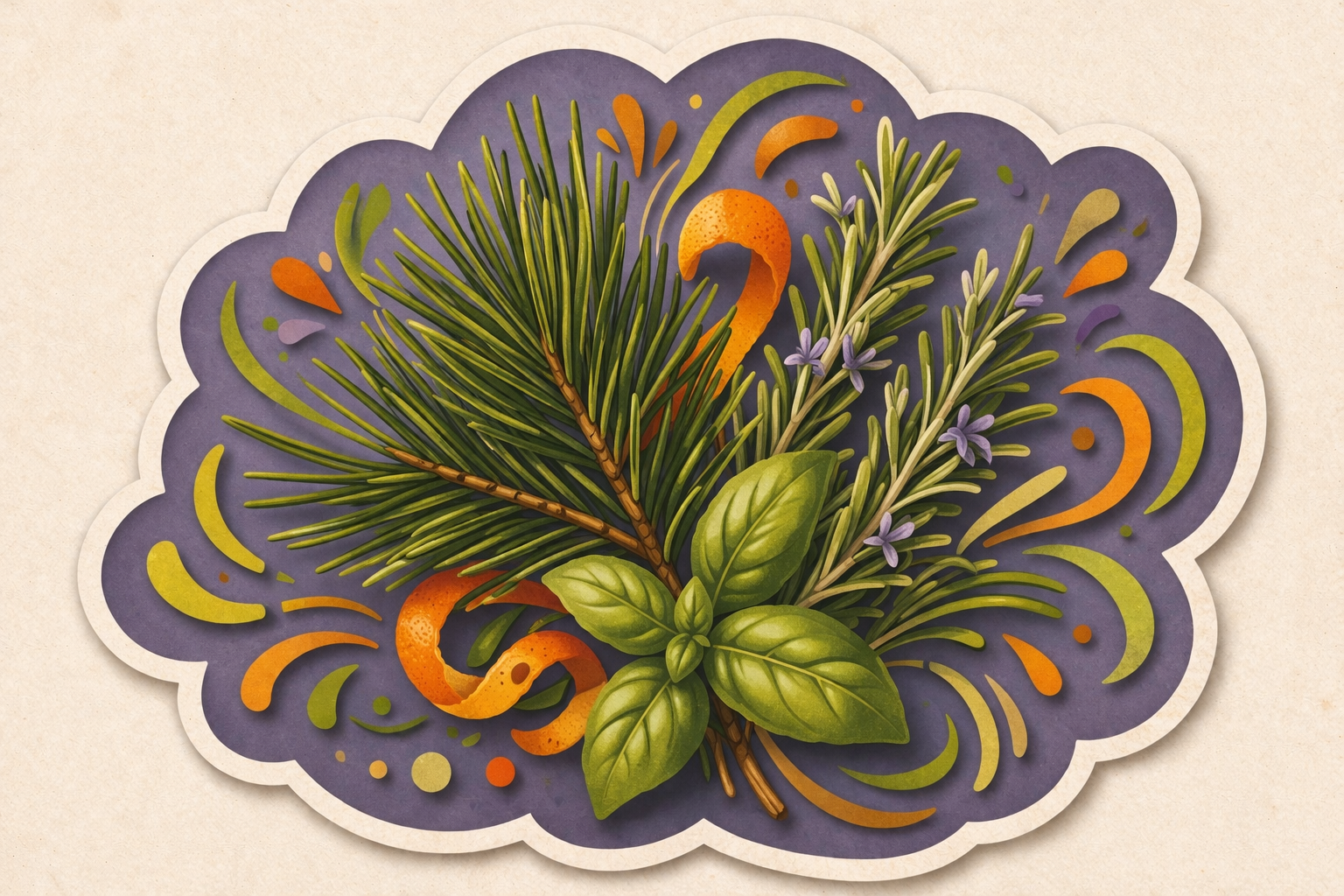
The closest reference is a pine forest. It is fresh, slightly resinous, and distinctly green. It does not have the sweetness of citrus or the heaviness of earth. Instead, it feels crisp and open.
Everyday comparisons include:
- Fresh rosemary or basil
- Pine-scented environments
- The herbal snap of crushed leaves
In cannabis, pinene rarely dominates the aroma on its own. It tends to lift the profile, adding brightness to strains led by other terpenes.
When vaporizing dry leaf, that freshness translates into a light, herbal taste. It feels cleaner than myrcene-forward profiles and less fruit-driven than limonene-heavy ones.
Pinene Effects: What Patients and Researchers Report
Terpene research in humans at cannabis-relevant doses is still developing. For that reason, this section relies on patient-reported experiences supported by early-stage scientific interest.
Many patients describe pinene-forward strains and a profile with pinene terpenes as:
- Clearer and more alert
- Less heavy than myrcene-dominant profiles
- More suitable for daytime use
Some patients seek out pinene when they want a lighter, more present experience rather than something deeply relaxing.
There is also interest in pinene’s relationship with memory. Early research has explored how pinene interacts with acetylcholine, a neurotransmitter involved in memory and attention. Some animal studies suggest it may influence short-term memory processes.
That said, well-controlled human studies at cannabis-relevant doses have not confirmed this effect. It should be viewed as early research, not an established outcome.
You may also see references to respiratory effects. Some essential oil studies suggest pinene may act as a bronchodilator. These findings come from aromatherapy contexts, not cannabis vaporization, and do not translate directly to how patients use cannabis in Pennsylvania.
If your goal is a lighter, more alert experience, pinene-forward profiles are worth exploring with a patient advisor or pharmacist.
How to Find High-Pinene Products at a Pennsylvania Dispensary
Every product in a Pennsylvania dispensary is tested, and terpene data is available through a Certificate of Analysis (COA).
Pinene requires a slightly different approach than other terpenes.
Because pinene strains with dominant pinene terpenes are uncommon, you will often find it in the second or third position on a terpene panel. That secondary placement still holds weight. A strong presence can shape both aroma and experience.
A simple way to evaluate a product:
- Look at the top three terpenes on the COA
- Check if alpha-pinene or beta-pinene appears
- If it is in the top three, it is contributing meaningfully
If pinene appears first, you have found a rare pinene-dominant strain.
Before visiting, you can browse current terpene data on Terrapin’s online menu to identify products with pinene terpene profiles ahead of time. In-store, a patient advisor can help pull current COA data and guide your selection.
Pinene Strains in the Terrapin Library
Pinene-dominant strains are genuinely uncommon, and the Terrapin library is no exception. The strains below include both pinene-dominant and pinene-prominent profiles.
Alien Rift – Indica ◆
Myrcene · Alpha-Pinene · Limonene
A grounded indica profile with a noticeable lift from pinene in second position.
Larry’s OG – Hybrid ★
Alpha-Pinene · Myrcene · Beta-Pinene
One of the clearest examples of a pinene-first profile, with both forms present.
Jawa Lemon Crunch – Hybrid ★
Alpha-Pinene · Myrcene · Limonene
A Terrapin-developed strain where pinene leads despite the citrus-forward name.
Lemon Scout – Sativa ★
Alpha-Pinene · Myrcene · Beta-Pinene
A daytime-leaning option that showcases both alpha and beta pinene together.
Dark Blue Daydream – Sativa ◆
Myrcene · Alpha-Pinene · Caryophyllene
A Terrapin-bred strain where pinene brightens a myrcene-led profile.
Dusty’s Diamonds – Hybrid ★
Alpha-Pinene · Myrcene · Limonene
A balanced profile where pine, earth, and citrus all play a role.
★ Pinene Dominant | ◆ Pinene Prominent
Explore more options in the Terrapin strain library to compare terpene profiles and identify pinene strains and terpene-rich genetics across available products.
Terpene profiles vary batch to batch. Always confirm current data through the COA or with a patient advisor.
A Note on Terpenes and Dosing for New Patients
Pinene’s association with clarity does not mean a product is low in potency.
THC and CBD levels still play a central role in how a product feels. Terpenes shape the experience, but they do not replace cannabinoid strength.
If you are new to cannabis, start low and increase slowly over time. You can speak with a patient advisor or pharmacist for personalized guidance.
Frequently Asked Questions About Pinene
What does pinene smell like?
Pinene smells like a pine forest. It is clean, sharp, and herbal. Alpha-pinene leans toward pine and rosemary, while beta-pinene adds a slightly spicier, herbaceous note.
What is the difference between alpha and beta pinene?
Alpha-pinene is more common and has a classic pine aroma. Beta-pinene is less common and smells more like basil or parsley. Many strains contain both.
Do pinene terpenes counteract THC’s effect on memory?
Some patients report clearer experiences with pinene-forward strains. Early research is exploring this connection, but human studies at cannabis-relevant doses have not confirmed it.
Why are pinene-dominant strains hard to find?
Pinene is widespread in nature but rarely leads cannabis terpene profiles. It is more commonly found in second or third position. Explore current options in the Terrapin strain library to find high pinene strains and terpene profiles where it appears.
How is pinene different from myrcene and limonene?
Myrcene is earthy and grounding. Limonene is bright and citrusy. Pinene is crisp and forest-like, often acting as a supporting terpene. You can explore both in the myrcene terpene guide and the limonene terpene guide.
Explore the Full Terpene Guide
Pinene terpenes sit alongside myrcene and limonene as some of the most recognizable terpene profiles in cannabis. Each contributes something distinct to how a strain smells and feels.
Explore the full Terrapin Cannabis Terpene Guide to continue building your understanding of cannabis terpene profiles in Double Bear Concentrates, or see what’s available near you to explore pinene-forward products in real time.