


Linalool Terpene: The Floral Note You Already Know

TLDR:
Linalool is the floral terpene best known for giving lavender its soft, slightly sweet scent. Strains containing linalool may feel calming and more suited for winding down, though research on its effects remains limited. It can also add a smoother, softer quality to a strain’s aroma and flavor.
The linalool terpene is one of the most familiar scents in your daily life, even if you have never heard its name. It is the compound behind the soft, floral aroma found in hundreds of plants and in many of the products you use every day.
From shampoo to soap to laundry detergent, linalool smell shows up everywhere. Most patients have experienced it thousands of times before ever encountering it in cannabis.
If you are learning how terpenes influence cannabis, this guide will walk you through what linalool is, how it smells, what patients report, and where to find linalool strains at a Pennsylvania dispensary.
What Is The Linalool Terpene?
Linalool is a naturally occurring terpene found in over 200 plant species. It is classified as a monoterpene alcohol and is produced in the trichomes of the cannabis plant alongside cannabinoids and other aromatic compounds.
When asking what is linalool, the simplest answer is this: it is a floral terpene responsible for the scent of lavender and many other soft botanical aromas.
Linalool appears in plants such as lavender, basil, coriander, mint, and rosewood. It is also widely used in consumer products like soaps, shampoos, and cosmetics due to its recognizable fragrance.
In cannabis, linalool is rarely the dominant terpene. Instead, it shows up in the second or third position on terpene panels, contributing to the overall profile without defining it.

Linalool Terpene Smell and Flavor
Linalool smell is soft, floral, and slightly sweet. Lavender is the most common reference point, but it can also carry subtle notes of rose, citrus peel, and light spice.
If you have ever smelled a lavender body wash or a fresh laundry scent, you have already experienced linalool. It is one of the easiest terpenes to recognize once you know what to look for.
In cannabis, linalool smell does not usually stand alone. It blends into other terpene profiles, softening sharper notes and adding a gentle floral layer.
Flavor follows a similar pattern. Linalool can add a smooth, slightly sweet finish, especially when vaporized at lower temperatures, which preserves delicate terpenes.

Linalool Terpene Effects: What Patients Report
When discussing the linalool terpene, it is important to separate patient experience from scientific research.
Patients often describe linalool strains as softer and more balanced compared to sharper terpene profiles. Some report that these products feel more suitable for evening use or for winding down.
Early research suggests the linalool terpene may interact with pathways associated with relaxation. However, human clinical research at cannabis-relevant doses is limited.
There is also a commonly referenced animal study related to Alzheimer’s disease. This research was conducted in mice and has not been confirmed in human trials. It should not be interpreted as a cannabis benefit.
The Linalool terpene has also been studied for anti-inflammatory potential in early laboratory settings. These findings are still being explored and are not established clinical outcomes.
Linalool is widely used in skincare products because of its fragrance and compatibility with other botanical compounds. In cannabis, it appears in both inhalable and non-inhalable formats, including topical products.
How to Find Linalool Strains at a Dispensary
The most important thing to understand about linalool strains is that linalool is almost never the dominant terpene on a cannabis product label.
This means you will not typically find products labeled as “high linalool” in the same way you might see myrcene or limonene-dominant strains.
Instead, linalool appears in supporting positions.
To find linalool strains:
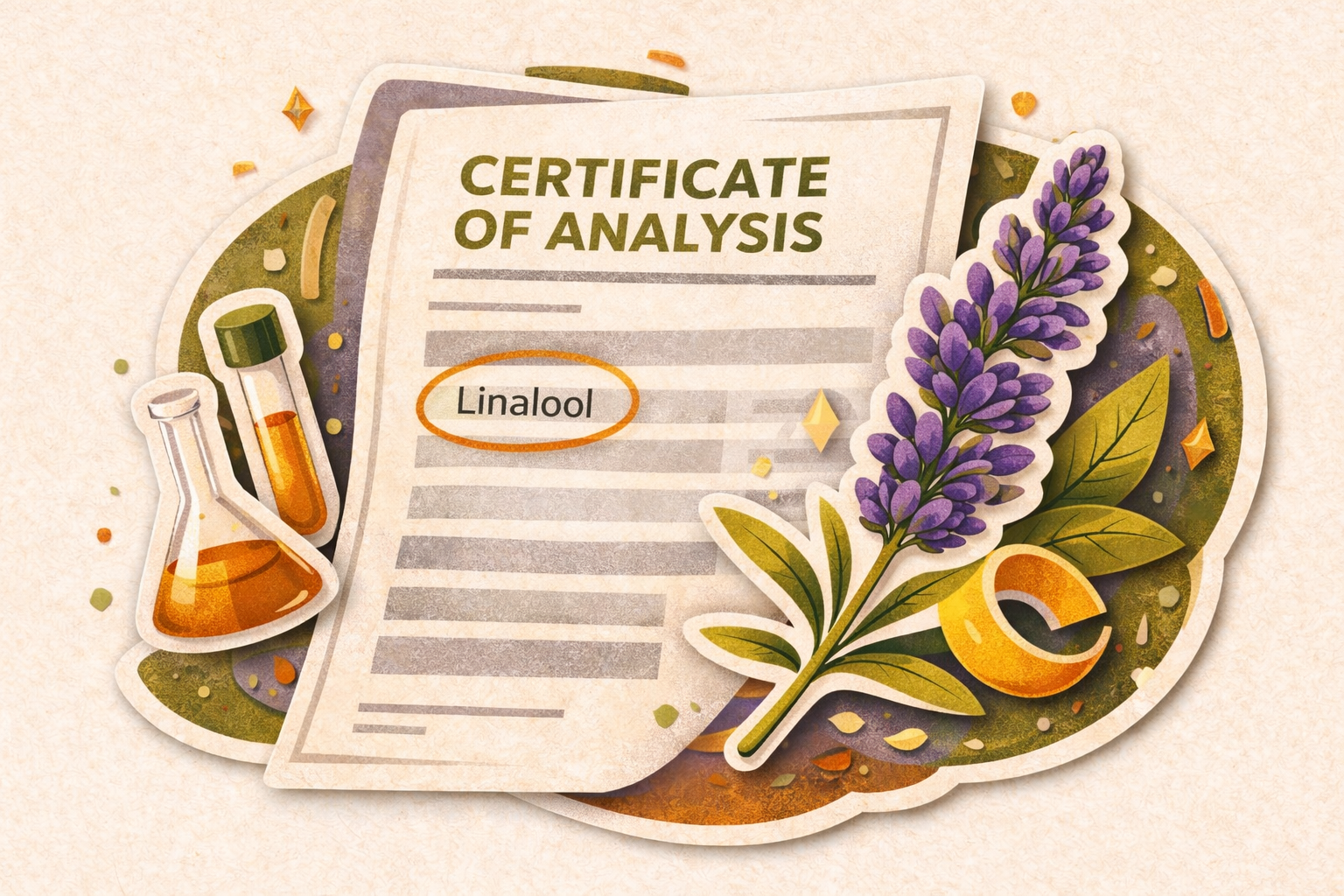
Step 1: Look at the terpene panel on the product label or menu
Step 2: Find linalool listed in the second or third position
Step 3: Look for a meaningful percentage, typically around 0.3 percent or higher
This is where the linalool terpene has the most noticeable impact on the overall profile.
A strain with myrcene and linalool will feel different than one with limonene and linalool. The leading terpene sets the tone, while linalool rounds out the experience.
Linalool Strains in the Terrapin Library
Linalool strains rarely feature this terpene in the first position. The strains below show how linalool appears in supporting roles within real terpene profiles.
Electric Blanket CBD – Indica CBD
Myrcene · Caryophyllene · Linalool
A Terrapin-bred CBD strain where linalool rounds out an otherwise earthy profile. A clear example of how linalool adds a soft floral layer without dominating.
Bubba Pupil – Indica
Myrcene · Caryophyllene · Linalool
A classic indica lineage with deep, grounded characteristics. Linalool in third position introduces a subtle lavender-like softness to the profile.
Exodus Cheese – Hybrid
Caryophyllene · Linalool · Limonene
A distinctive profile where spice leads and linalool follows. This pairing shows how floral notes can soften sharper terpene expressions.
Rainbow Sherb #54 – Hybrid
Limonene · Linalool · Myrcene
A citrus-forward strain where linalool adds smooth floral warmth. A strong example of how linalool shapes flavor without leading.
Silver Fire – Sativa
Myrcene · Caryophyllene · Linalool
An unexpected linalool presence in a sativa profile. The floral note softens an otherwise earthy and spicy structure.
Jack’s Clone – Indica
Myrcene · Caryophyllene · Linalool
A grounded indica profile where linalool rounds out the edges. The result is a balanced experience with subtle floral depth.
Terpene profiles vary by batch, so always check the latest data when selecting a product.
A Note for New Patients
The presence of the linalool terpene does not indicate low potency.
Cannabinoid content remains the primary factor in how strong a product feels. Terpenes influence character, not intensity.
If you are new to cannabis, start low and go slow. A patient advisor or pharmacist can help guide your selection based on terpene and cannabinoid content.
Frequently Asked Questions
What is linalool?
Linalool is a floral terpene found in many plants, including lavender. It is also present in cannabis and contributes to aroma and overall profile.
What does the linalool terpene smell like?
Linalool smell is soft, floral, and slightly sweet, often compared to lavender.
What are linalool strains?
Linalool strains are cannabis products where linalool appears in the terpene profile, usually in the second or third position.
Is linalool the same as lavender?
No. Linalool is one compound found in lavender, but lavender contains multiple compounds that create its full scent.
Find The Linalool Terpene on the Dispensary Menu
As you browse the Terrapin dispensary menu to explore current flower, vapes, tinctures, and topicals, look beyond the dominant terpenes. The supporting ones, like linalool, often shape the experience in ways that are just as important.
If you are interested in concentrates, Double Bear offers products designed to preserve terpene profiles, giving you a clearer sense of how linalool interacts with dominant cannabinoids and other terpenes.