

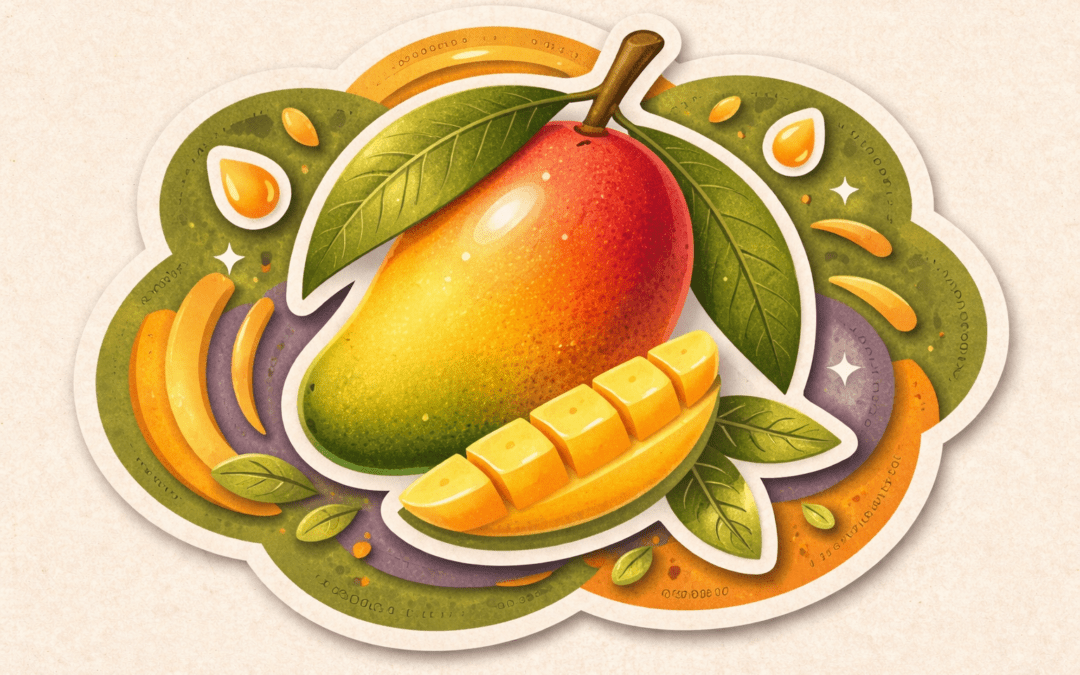
Myrcene Terpene: The Most Common (And Mango) Cannabis Aroma
TLDR:
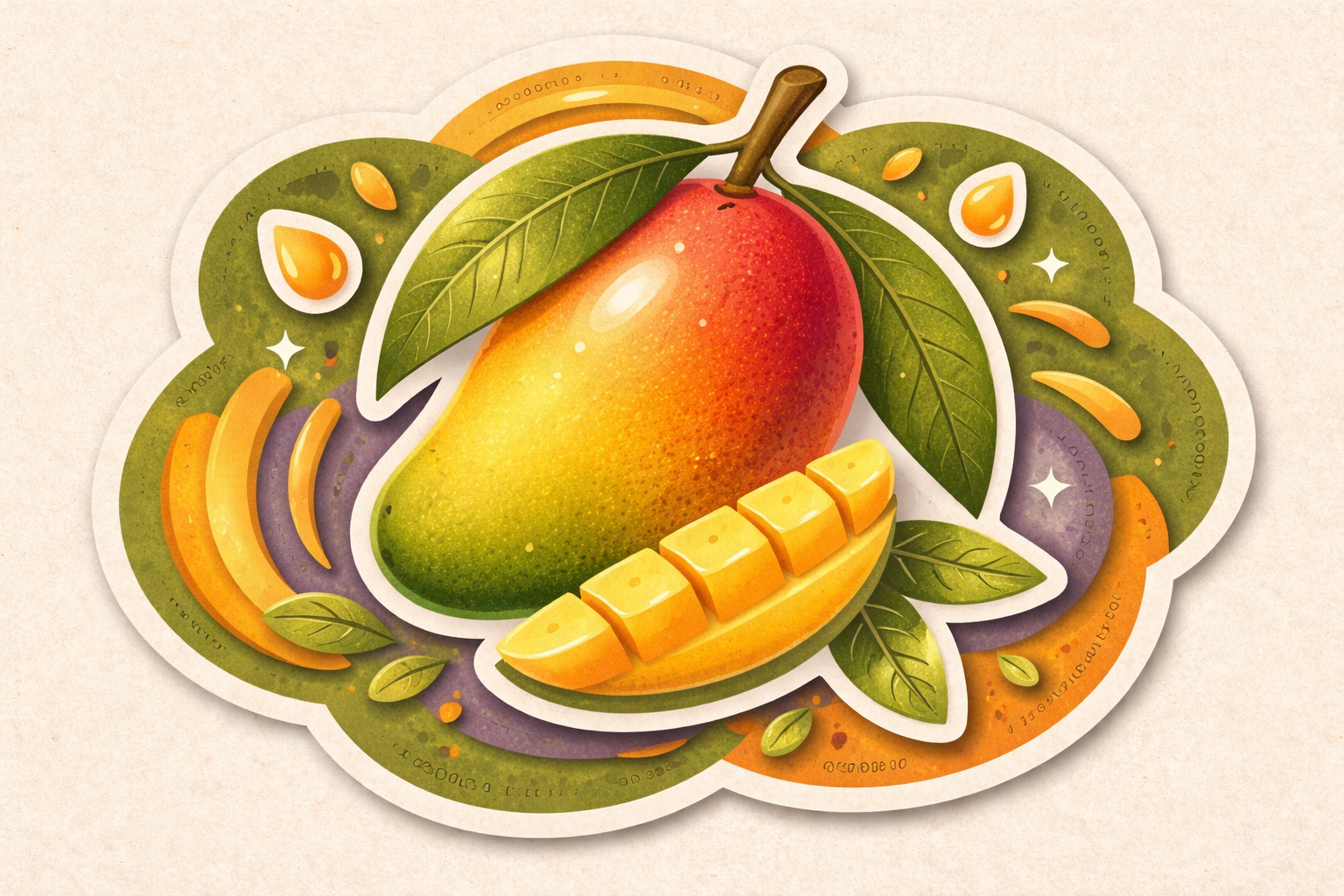
Myrcene is the most common cannabis terpene and gives many strains their earthy, musky aroma, sometimes with hints of mango, hops, or spice. Myrcene-rich products may feel more grounding or body-focused, but they are not guaranteed to make you sleepy. Mangoes also contain myrcene, though there is no clinical proof that eating one will intensify cannabis effects.
The myrcene terpene is the most common terpene found in cannabis, and for many patients it is also the first terpene they notice on a product label. It appears everywhere, often listed at the top of terpene profiles, but it is rarely clear what that actually means when you are choosing between products.
In Pennsylvania, terpene data is available on every product. Understanding the myrcene terpene gives you a clearer way to compare options, recognize patterns across products, and identify myrcene strains with more intention.
What Is Myrcene Terpene?
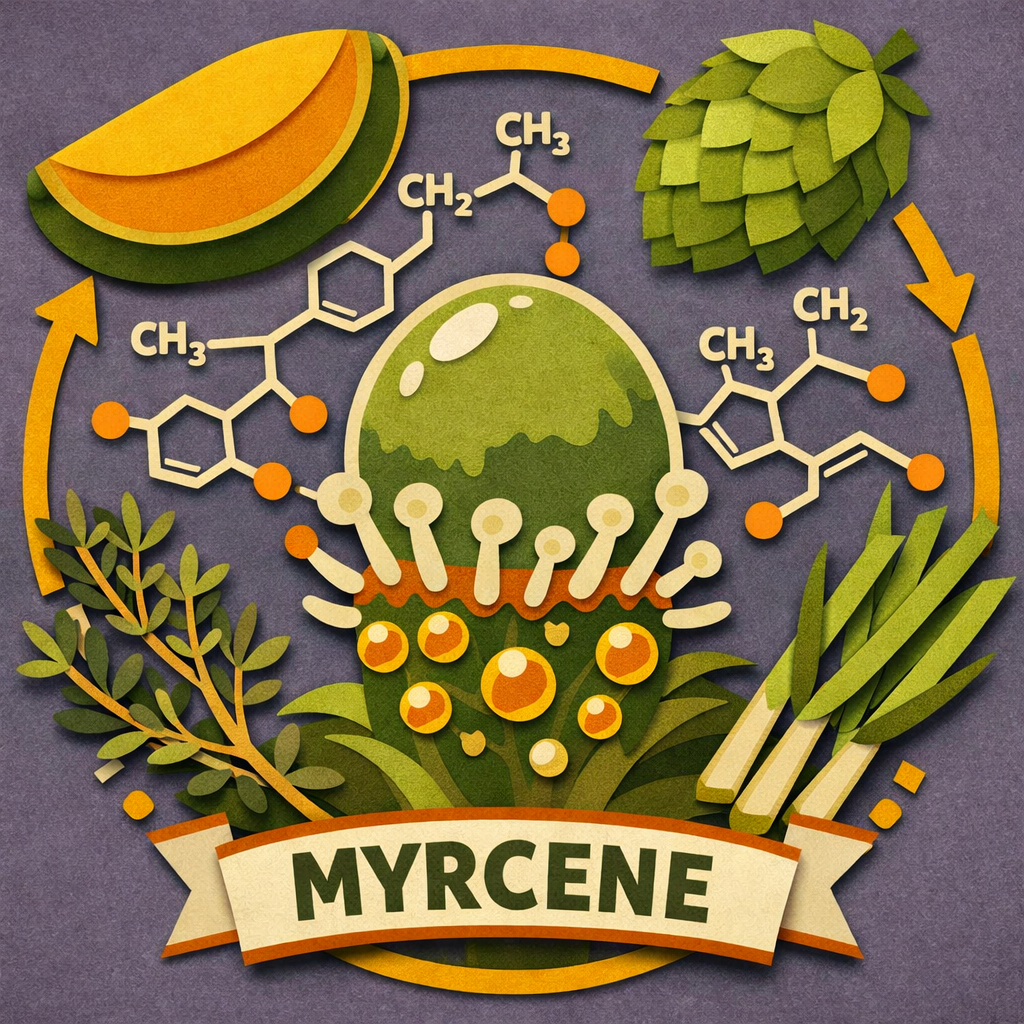
Myrcene, or beta-myrcene, is a naturally occurring terpene found in cannabis and many other plants. It is produced in the trichomes of the cannabis plant, the same structures that contain cannabinoids like THC and CBD.
It is often the most abundant terpene in cannabis, which is why it frequently appears first on terpene panels in certificates of analysis (COAs). When you see myrcene listed at the highest percentage, it typically means it is the dominant terpene in that product.
Myrcene is not unique to cannabis. It also appears in mangoes, hops, thyme, and lemongrass. That overlap helps explain why certain cannabis strains carry familiar earthy or slightly fruity notes.
Like other terpenes, myrcene evolved as part of the plant’s natural defense system and plays a role in how it interacts with its environment.
What Does Myrcene Smell and Taste Like?
The myrcene terpene is commonly described as earthy, musky, and herbal. Some patients notice a clove-like spice or a subtle red grape note, while others use the word “dank” as a familiar shorthand for its deeper, more grounded aroma.
If you have smelled a ripe mango or fresh hops, you have already experienced myrcene terpene. It carries a balance of sweetness and earthiness that can feel both fresh and grounding at the same time.
In dry leaf intended for vaporization, myrcene-forward profiles come through as smooth and herbal. In tinctures and oils, the same terpene can present as slightly bitter, plant-forward, or gently spiced.
Aroma is personal. One patient may read myrcene as earthy and calming, while another notices more fruit or spice. Both experiences can be accurate.
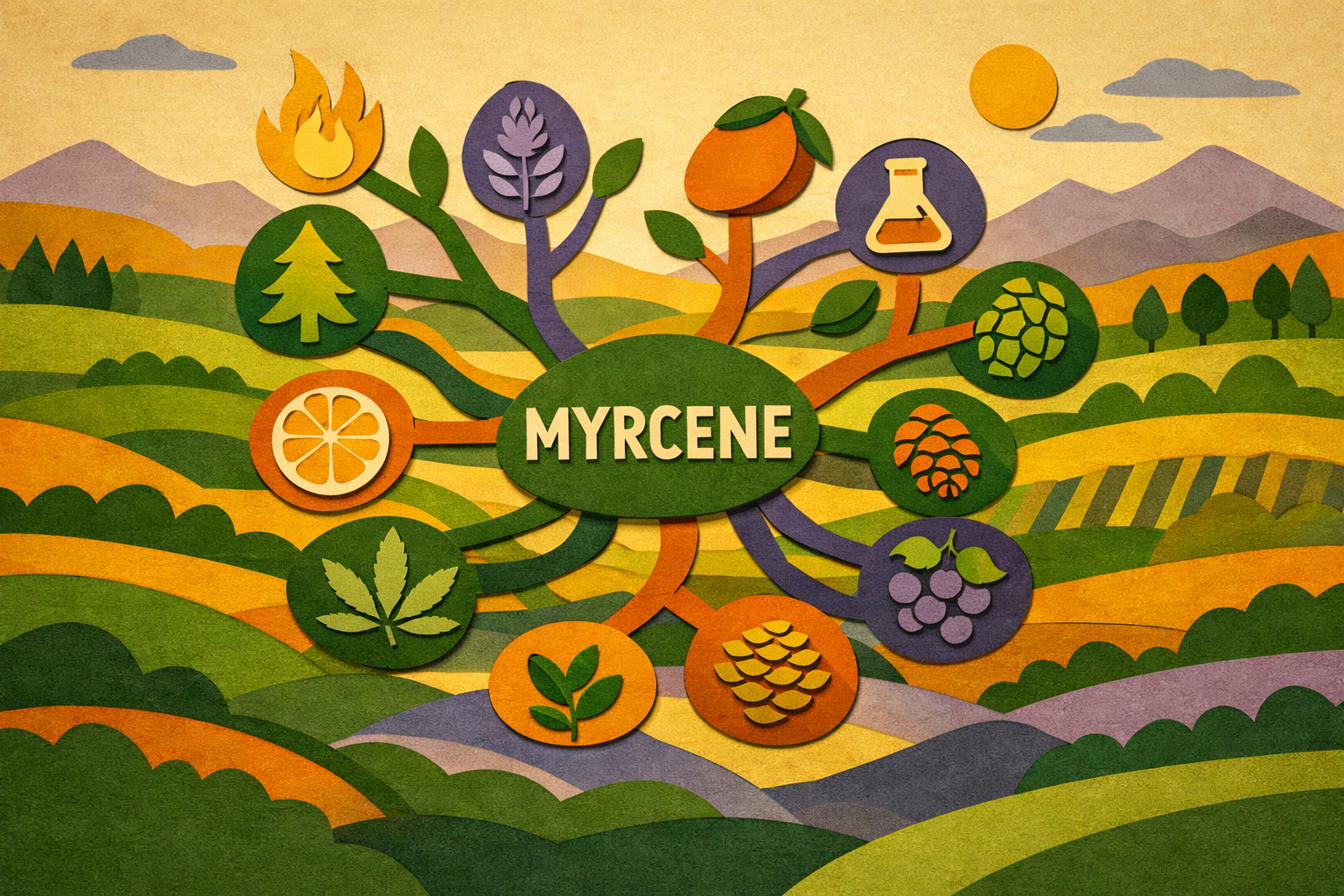
Myrcene Terpene Effects: What Patients and Researchers Report
Research into cannabis terpenes is still developing, so most discussions of myrcene effects rely on patient-reported experiences alongside early-stage studies.
Myrcene-dominant profiles are often described by patients as more settling or body-oriented compared to brighter, more citrus-forward terpene profiles. These descriptions reflect general patterns in how different terpene profiles are experienced, though individual responses vary.
The myrcene terpene is often discussed alongside what many patients recognize as an indica-adjacent profile. That said, the indica and sativa framework is now understood to be incomplete. A product’s overall composition, including cannabinoid levels and the full terpene profile, provides more useful context than any single label or compound.
While myrcene is frequently associated with more grounding or slower-paced experiences, current research has not confirmed a direct causal link between myrcene alone and sedation or sleep-related effects.
If you are exploring terpene profiles, myrcene-dominant options can sometimes be used as a reference point when comparing how different terpene combinations feel across products.
A Note on Starting Out
Terpenes like myrcene do not act in isolation. A product that is high in myrcene and high in THC may feel very different from one that is high in myrcene and higher in CBD. For a deeper look at how cannabinoids shape these differences, see our guide to different types of cannabinoids.
If you are new to cannabis or exploring terpene profiles for the first time, start low and go slow. This approach gives you space to understand how your body responds before increasing your dose.
If you have questions about where to begin, a patient advisor can help guide you through available options. A dispensary pharmacist is also available for consultation and can provide additional support based on your individual needs.
How to Find High-Myrcene Products at a Pennsylvania Dispensary
In Pennsylvania, every medical cannabis product is tested by a state-certified laboratory. That testing includes terpene content, which is listed on a certificate of analysis and displayed on product packaging or menus.
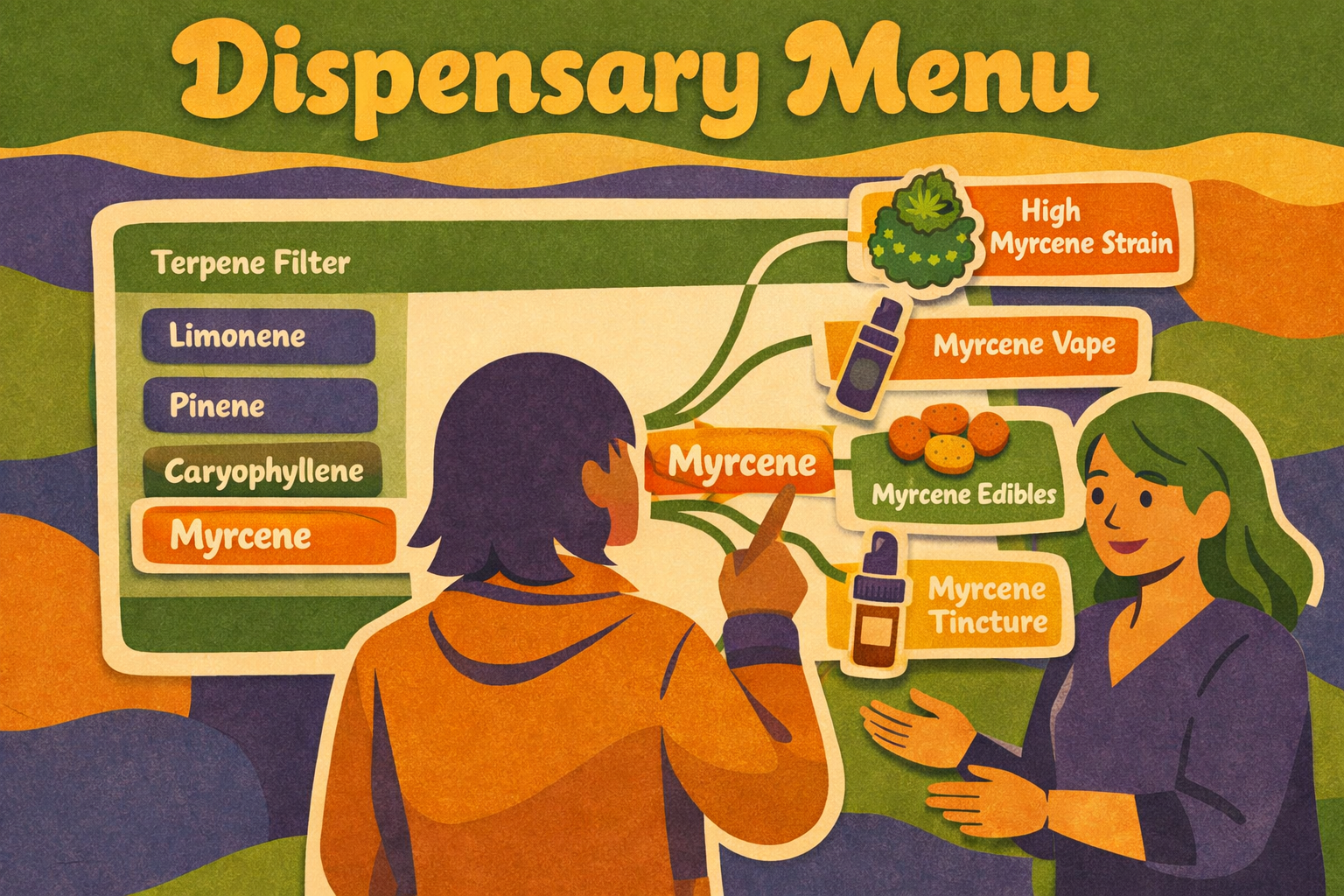
To find high-myrcene products, start by looking at the terpene panel. The terpene listed at the highest percentage is the dominant one. If myrcene appears first, the product is myrcene-forward.
| General Guideline: Myrcene terpene levels around 0.5% or higher indicate a noticeable presence. Higher percentages may suggest a more dominant role in the overall profile, though this varies by product and batch. |
You can also browse terpene data before visiting. Terrapin’s online menu allows you to view available products and see their terpene profiles in advance.
If you are unsure where to start, ask your patient advisor directly. A simple question like, “What do you have that is high in myrcene right now?” can quickly surface relevant options.
The myrcene terpene appears across multiple PA-approved product formats, including dry leaf for vaporization, tinctures, oils, and capsules. Vaporization at controlled temperatures tends to preserve terpene expression more effectively than high-heat methods.
Myrcene-Rich Strains in the Terrapin Library
Terrapin tests every product for terpene content, and the strains below show myrcene as the leading terpene in their published profiles.
Hell’s OG — Indica
Myrcene · Caryophyllene · Limonene
A classic OG Kush and Blackberry cross with an earthy, fuel-forward aroma. A strong representation of a myrcene-forward terpene profile with deep, grounded characteristics.
Hades’ Orchard — Indica
Myrcene · Limonene · Caryophyllene
A Terrapin-bred cross that combines earthy depth with a citrus lift. This profile illustrates how myrcene-dominant strains can still carry brighter terpene notes.
Devil’s Lemons — Hybrid
Myrcene · Caryophyllene · Pinene
Despite its citrus-forward name, myrcene leads the profile. A clear example that aroma and naming do not always reflect the dominant terpene.
Lemon Gas — Hybrid
Myrcene · Caryophyllene · Limonene
An in-house Terrapin cross with a fuel-forward backbone and citrus top notes. A hybrid profile anchored by myrcene with supporting brightness.
Tangie — Sativa
Myrcene · Caryophyllene · Linalool
A widely recognized citrus-forward strain where myrcene still leads the terpene profile. This highlights that myrcene appears across all strain types, not just indica-leaning profiles.
Thai 99 — Sativa
Myrcene · Caryophyllene · Guaiol
A classic sativa lineage with an earthy foundation and subtle spice. Guaiol adds a light woody note that contributes additional complexity to the terpene profile.
Terpene content can vary by batch, so the most current information is always available on each strain’s page or through a patient advisor at the dispensary.
Explore all available options in the Terrapin Strain Library.
Frequently Asked Questions About Myrcene
What does the myrcene terpene do in cannabis?
Myrcene is the most abundant terpene in cannabis and contributes to the earthy, musky aroma found in many strains. Patients commonly describe myrcene-forward profiles as more settling, though experiences vary from person to person.
Does myrcene make you sleepy?
Some patients associate myrcene-forward profiles with slower-paced experiences. Effects depend on the full cannabinoid and terpene profile, not myrcene alone.
What strains are high in myrcene?
Many cannabis strains contain myrcene terpene, and it often appears as the dominant terpene. Terrapin’s strain library highlights several options where myrcene leads the profile.
What does myrcene smell like?
Myrcene is typically described as earthy, herbal, and slightly musky. Some patients also notice clove, fruit, or spice depending on the strain.
Is myrcene safe?
Myrcene is a naturally occurring compound found in foods like mangoes and hops. In Pennsylvania, it appears in regulated, lab-tested medical cannabis products.
Is it true that eating a mango changes how cannabis feels?
You may hear that eating a mango before cannabis use intensifies effects due to shared myrcene content. This is a popular theory, though it has not been confirmed in human clinical research.
Explore the Full Terpene Guide
Myrcene is a starting point, not the full picture. Each terpene in cannabis carries its own aroma, characteristics, and role within a product’s profile.
If you are building your understanding of terpene profiles, continue exploring the full terpene guide and how different compounds interact across strains.
You can explore more terpene breakdowns through Terrapin’s Cannabis 101 resources or browse current terpene data directly through the Terrapin dispensary menu to see what is available near you.
If you are interested in exploring concentrates, Double Bear Concentrates offer another way to experience terpene-forward profiles across a range of formats.