

What is the Best Strain for Sleep?

Trouble falling asleep can feel endlessly frustrating. The body feels tired, the mind keeps spinning, and suddenly hours slip by. Many people turn to cannabis hoping for relief, yet experiences vary widely. Some sleep deeply while others feel restless or overstimulated. That difference usually comes down to chemistry rather than strain names alone. Finding the best strain for sleep means understanding how cannabinoids, terpenes, and timing work together to support rest.
Quick Answer: What Is the Best Strain for Sleep?
The best strain for sleep is one that promotes physical relaxation and mental calm through its cannabinoid and terpene profile. Many people respond well to strains containing moderate to high THC along with calming terpenes like myrcene or linalool. Individual tolerance, dosage, and timing all influence results.

How Does Cannabis Help With Sleep?
Cannabis affects sleep by interacting with the endocannabinoid system, which helps regulate mood, stress response, and sleep cycles. Cannabinoids bind to receptors in the brain that influence relaxation and perception of discomfort.
THC often shortens the time it takes to fall asleep by reducing mental alertness. CBD can support relaxation without strong sedation for some users. Pain relief and reduced anxiety also play indirect roles, allowing the body to settle into rest more easily.
Sleep support from cannabis tends to work best when relaxation builds gradually rather than forcing sedation.

What Makes a Cannabis Strain Good for Sleep?
Several factors influence whether a strain supports rest or interferes with it. Chemical makeup matters more than strain labels.
THC Levels and Sedation
Higher THC levels often create heavier body sensations that encourage rest. Sensitivity varies, so moderate doses often work better than aggressive ones. Excess THC can increase mental activity in some people, which explains mixed experiences.
Terpenes That Support Rest
Terpenes are aromatic compounds found in cannabis and many plants. They influence how cannabinoids feel.
Myrcene is commonly associated with body relaxation and muscle ease. Linalool, also found in lavender, is linked to calming effects. Caryophyllene interacts with receptors tied to stress regulation. Strains rich in these terpenes often feel more suitable for nighttime use.
Freshness and Lab Results Matter
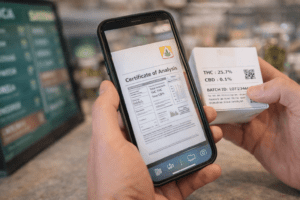
Lab results show cannabinoid percentages and terpene profiles, giving a clearer picture of expected effects. Fresh products retain terpene content better, which can influence overall experience. Reliable lab testing reduces guesswork.
Best Cannabis Strains Commonly Used for Sleep
These cannabis strains are commonly chosen for sleep because of their calming effects and terpene profiles. See the complete Strain Library to explore the possibilities.
Granddaddy Purple
Granddaddy Purple is widely recognized for promoting physical relaxation. Many users describe a sense of heaviness that supports bedtime routines. Sweet berry aromas often signal the presence of myrcene.
Northern Lights
Northern Lights is often associated with calming mental chatter and easing tension. The effects tend to feel balanced rather than overwhelming, which makes it approachable for nighttime use.
Bubba Kush
Bubba Kush is commonly used during evening hours due to its soothing body effects. People often choose it when stress or physical discomfort interferes with sleep.
Afghan Kush
Afghan Kush is known for its traditional lineage and dense terpene profile. Effects typically lean toward full body relaxation, which can support deeper rest.
Each person responds differently, so personal experimentation remains important.
Are Indica Strains Better for Sleep?
Indica strains are often associated with sleep because many contain terpene profiles linked to relaxation. The label itself does not guarantee sleep support. Chemical composition plays a larger role than plant classification alone.
Hybrids can work just as well when terpene content supports calm and physical ease. Paying attention to lab results usually offers better guidance than relying on category names.
What Is the Difference Between THC and CBD for Sleep?
THC tends to reduce the time it takes to fall asleep by promoting sedation and mental quiet. CBD supports relaxation without strong drowsiness and may help reduce anxiety that interferes with rest.
Some people benefit from THC-dominant products, while others prefer balanced formulations. Individual response determines which approach feels more effective.
How Should Cannabis Be Used for Sleep?
Effective sleep support comes from intentional use rather than trial and error alone.
Timing Your Dose
Many people find success using cannabis thirty to sixty minutes before bedtime. Edibles require longer lead time due to digestion. Proper timing helps align effects with sleep onset.
Consumption Methods
Flower and vapes act quickly but fade sooner. Edibles last longer and may support sleep continuity, though effects take longer to appear. Choosing a method depends on how quickly sleep is needed and how long effects should last.
Start Low and Pay Attention
Lower doses allow the body to respond gently. Tracking how different products feel helps refine future choices. Journaling effects can reveal helpful patterns over time.
Common Cannabis Mistakes That Disrupt Sleep
These common cannabis mistakes can interfere with sleep quality.
- Using stimulating terpene profiles late at night
- Taking excessive doses too close to bedtime
- Ignoring lab results and product freshness
Awareness of these issues often improves outcomes quickly.
Is Cannabis Right for Your Sleep Needs?
Cannabis does not improve sleep for everyone. Some people experience increased alertness or vivid dreams. Paying attention to personal response matters more than following general advice. Consulting a healthcare professional can help address ongoing sleep issues safely.
Final Thoughts on Finding the Best Strain for Sleep
Finding the best strain for sleep depends on cannabinoid balance, terpene profile, timing, and individual sensitivity. Lab-tested products with calming terpene profiles often provide the most consistent results. Thoughtful experimentation and realistic expectations lead to better outcomes over time. Sleep support works best when cannabis use aligns with healthy nighttime habits and personal awareness.
Explore Sleep-Friendly Concentrates at Terrapin Care Station
Ready to put this knowledge into practice? Visit Terrapin Care Station to explore a curated selection of cannabis products designed to support rest and relaxation. Shop Double Bear concentrates to find terpene-rich options crafted with consistency, lab transparency, and evening use in mind.
FAQ: Best Strain for Sleep
What is the best strain for sleep?
The best strain for sleep contains moderate to high THC combined with calming terpenes like myrcene or linalool. Granddaddy Purple, Northern Lights, Bubba Kush, and Afghan Kush rank among the most popular choices for nighttime use. Your individual tolerance, dosage, and timing determine which strain works for your body.
How does cannabis support better sleep?
Cannabis interacts with the endocannabinoid system to regulate mood, stress response, and sleep cycles. THC shortens the time you need to fall asleep by reducing mental alertness. CBD supports relaxation without heavy sedation. Pain relief and reduced anxiety help your body settle into rest more naturally.
Do indica strains provide the best strain for sleep?
Many indica strains contain terpene profiles linked to relaxation, but the label alone does not guarantee sleep support. Chemical composition matters more than plant classification. Hybrids with calming terpene content can work equally well. Lab results offer better guidance than strain categories.
Which terpenes make a strain good for sleep?
Myrcene promotes body relaxation and muscle ease. Linalool, also found in lavender, creates calming effects. Caryophyllene interacts with receptors that regulate stress. Strains rich in these terpenes typically feel more suitable for nighttime use. Lab testing reveals terpene profiles before purchase.
How much THC do I need in the best strain for sleep?
Higher THC levels create heavier body sensations that encourage rest. Moderate doses typically work better than aggressive amounts. Excess THC can increase mental activity in some people. Start with lower doses and track how your body responds.
When should I use cannabis for sleep?
Use cannabis thirty to sixty minutes before bedtime. Edibles require longer lead time due to digestion. Proper timing aligns effects with sleep onset. Flower and vapes act quickly but fade sooner, while edibles last longer and support sleep continuity.
What consumption method works best for sleep?
Flower and vapes deliver fast relief but fade within hours. Edibles take longer to activate but maintain effects throughout the night. Your choice depends on how quickly you need to fall asleep and how long you want effects to last.
Can CBD strains work as the best strain for sleep?
CBD supports relaxation without strong drowsiness and may reduce anxiety that interferes with rest. Some people benefit from THC-dominant products, while others prefer balanced formulations. Individual response determines which cannabinoid ratio feels more helpful.
Why do lab results matter when choosing strains for sleep?
Lab results show cannabinoid percentages and terpene profiles, which reveal expected effects. Fresh products retain terpene content better. Reliable lab testing eliminates guesswork and helps you find consistent results.
What mistakes prevent cannabis from helping with sleep?
Using stimulating terpene profiles late at night disrupts natural rest patterns. Taking excessive doses too close to bedtime can increase mental activity. Ignoring lab results and product freshness reduces consistency. Lower doses and attention to timing improve outcomes.
Does the best strain for sleep work for everyone?
Cannabis does not improve sleep for everyone. Some people experience increased alertness or vivid dreams. Personal response matters more than general recommendations. Consult a healthcare professional if you face ongoing sleep issues.