

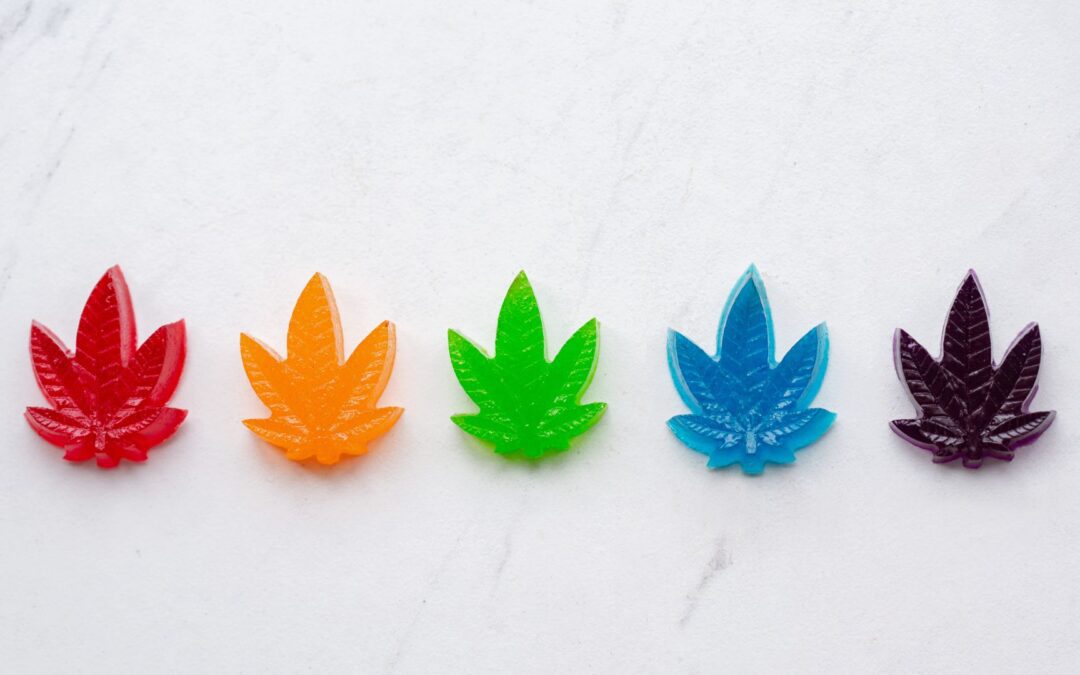
The Different Colors of Cannabis
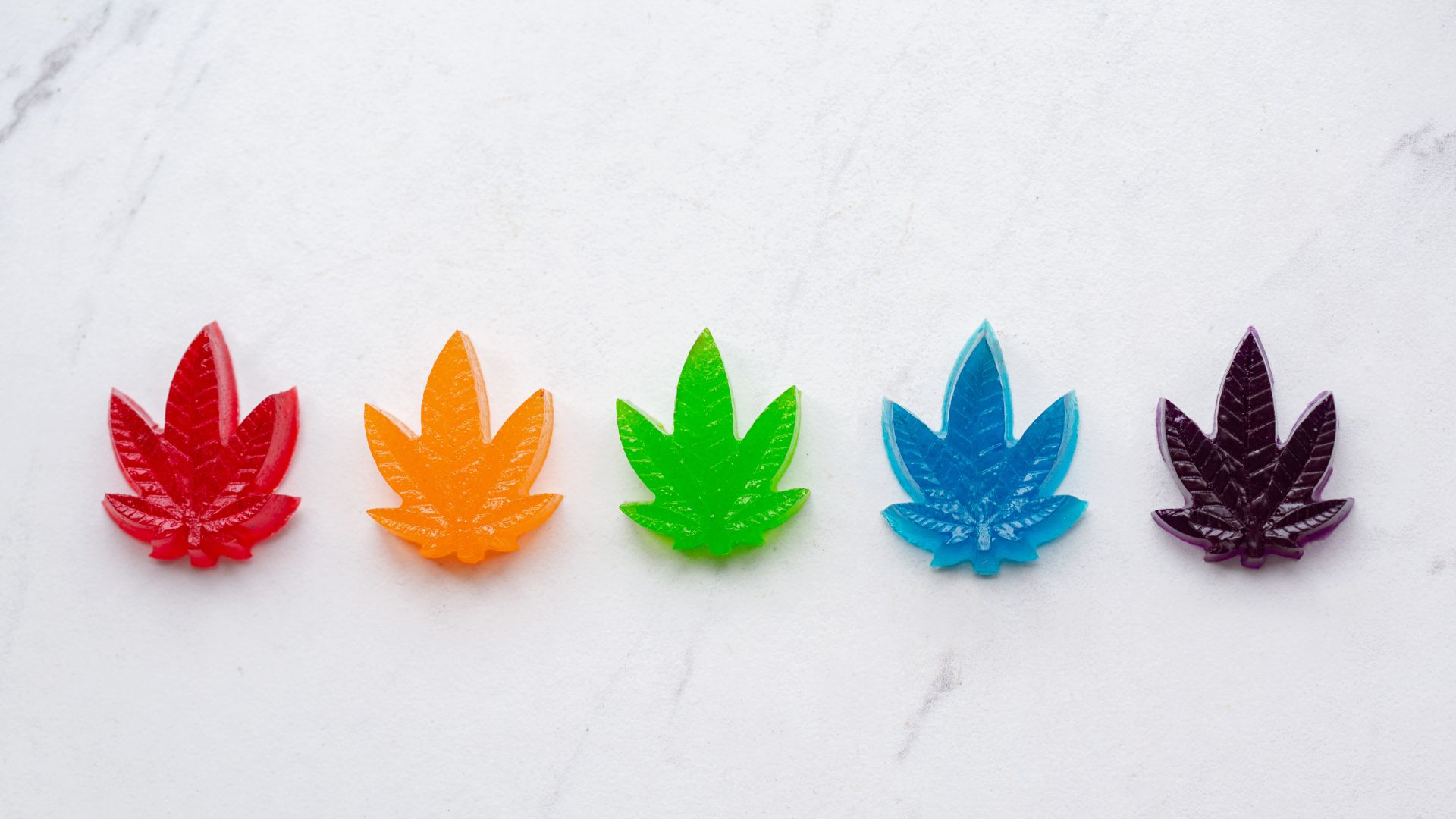
The different colors of cannabis aren’t just a cosmetic feature. It’s a clue. From deep greens to rich purples, the pigments in your flower can reveal information about genetics, growing conditions, and flavor. While color alone doesn’t determine potency or effects, it does offer insight into how a strain was cultivated and what compounds may be present. In this guide, we’ll explain what causes cannabis to take on different hues, what those colors can (and can’t) tell you, and why dark weed strains like Purple Punch are so visually striking.
The Science Behind Different Colors of Cannabis
Colors of cannabis are primarily the result of genetics interacting with the growing environment. Certain strains are genetically predisposed to produce pigments, while factors like temperature, light exposure, and pH determine how strongly those pigments appear.
One of the most influential pigments is anthocyanin, which can create purple, blue, and red tones in cannabis flowers. These pigments become more visible when chlorophyll breaks down, often during cooler nighttime temperatures near harvest.
Strain lineage also plays a role. Cannabis plants that evolved in cooler or more variable climates tend to express darker pigments more readily under stress, while plants adapted to warm, tropical environments typically retain brighter green coloration. This is why darker hues are more commonly associated with indica-leaning genetics, while sativa-leaning plants are often lighter in appearance.
Types of Cannabis Colors and What They Tell You
The different colors of cannabis don’t indicate strength, but they can offer clues about freshness, genetics, and how the plant responded to its environment.
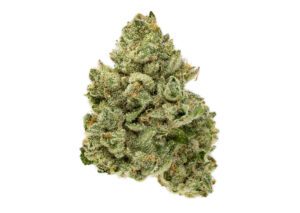
Green Cannabis
Green is the most common cannabis color and comes from chlorophyll. A vibrant green hue usually signals healthy growth and proper curing. Pale or dull green buds may indicate age, improper storage, or nutrient issues during cultivation.
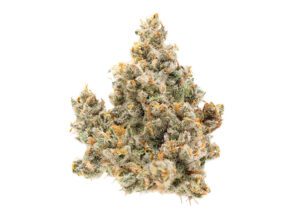
Purple and Blue Cannabis
Purple and blue tones typically point to high anthocyanin expression, often triggered by cooler growing temperatures. These strains are frequently associated with deeper, fruit-forward flavor profiles, though color itself does not guarantee taste or potency.
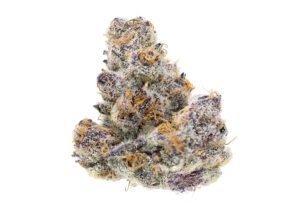
Orange and Red Hairs
The orange or red hairs on cannabis buds are pistils, not pigments. These reproductive structures darken as the plant matures and can help indicate harvest timing, but they don’t reflect potency or strain quality.
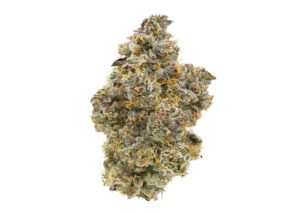
Gold, Pink, and Other Rare Hues
Uncommon shades like pink or gold usually result from rare genetics or highly specific environmental conditions. These colors are visually interesting but don’t reliably signal stronger effects or higher THC levels.
Can You Taste the Colors?
Color doesn’t create flavor, but it can signal the presence of compounds that influence taste and aroma.
Pigments like anthocyanins belong to a broader group of plant compounds called flavonoids. Alongside terpenes, flavonoids contribute to how cannabis smells and tastes. When a plant produces higher levels of anthocyanins, those same conditions may also support richer terpene development, which can result in deeper or more complex flavor profiles.
That said, genetics and terpene composition play a much larger role in flavor than color alone. Two strains with similar hues can taste completely different depending on how they were grown, cured, and preserved.
Real Talk: Why Your Purple Bud Might Not Look Purple
Not every nug in your jar will look exactly the same, even within the same strain. Buds that grow at the top of the plant receive more light, while lower buds stay shaded, which can affect how pigments develop.
Heavy trichome coverage can also mask underlying color, making some buds appear lighter or frostier than expected. Subtle variation is normal and doesn’t reflect lower quality. Cannabis is a natural product, and visual differences are part of what makes each harvest unique.
FAQ: Cannabis Colors & Strain Effects
What causes cannabis to turn purple?
Anthocyanins become more visible when cannabis is exposed to cooler temperatures or specific pH conditions, producing purple, red, or blue hues.
Is purple weed stronger?
No. Potency is determined by cannabinoid content, not color. Purple strains can be flavorful and aromatic, but color doesn’t equal strength.
What do different colors of cannabis mean?
Color reflects pigments, genetics, and environmental factors. It may hint at flavor tendencies but does not reliably predict effects.
Do different colors of cannabis taste different?
Sometimes. Darker strains may have richer flavors due to flavonoid and terpene expression, but taste depends more on genetics and curing than color alone.
Why does my weed change color near harvest?
Cooler nights, reduced chlorophyll, and plant stress late in the growth cycle can all trigger pigment changes.
Are weed colors natural or added?
All cannabis coloration is natural and results from genetics and growing conditions, not artificial additives.
Bringing It All Together: Color, Chemistry, and Cannabis Quality
The colors of cannabis aren’t just visual flair. It reflects a complex interaction between genetics, environment, and plant chemistry. While color alone won’t tell you how strong a strain is, it can offer helpful context about how it was grown and what compounds may be present.
If you’re ready to explore those differences firsthand, shop the menu at Terrapin Care Station to see how color, cultivar, and terpene profiles come together across their flower selection. Or, take a deeper dive into flavor and extraction by exploring concentrates from Double Bear, where the plant’s chemistry really gets to shine.